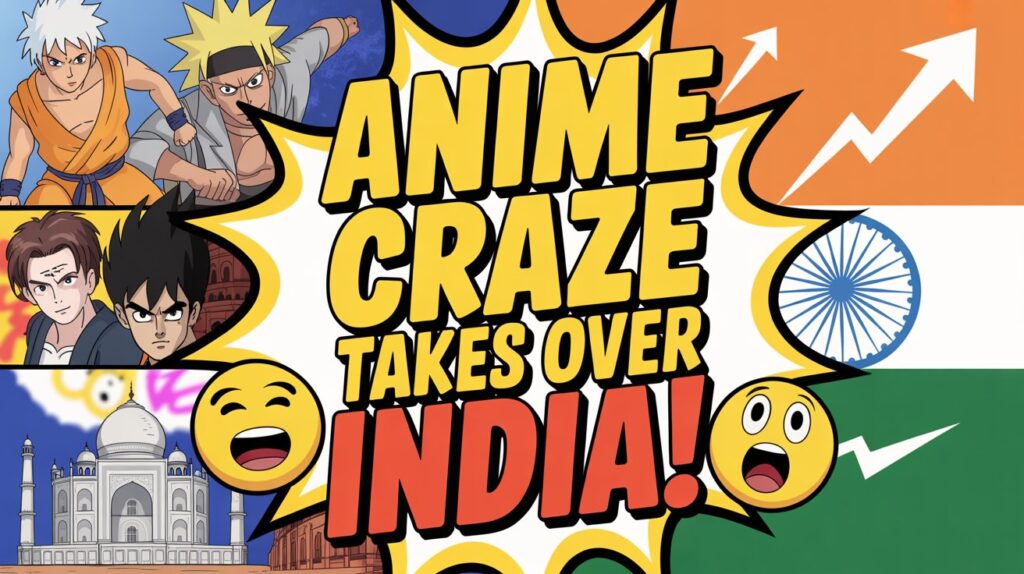

Anime in India did not arrive with a bang. It arrived quietly, almost accidentally, slipping into living rooms through television screens long before most viewers even knew the word “anime.” What began as children’s cartoons on afternoon TV slowly evolved into a cultural movement, a digital fandom, and finally a mainstream entertainment force shaping youth culture, internet trends, and even career choices.
The history of anime popularity in India is not just a story about shows and studios. It is a story about changing technology, shifting mindsets, access to the internet, and a generation discovering global storytelling beyond traditional boundaries. From the early days of dubbed television broadcasts to the rise of streaming platforms and fan communities, anime’s journey in India reflects how pop culture spreads in the modern age.
This article explores that journey in depth, tracing how anime entered India, how it survived censorship and misconceptions, how the internet changed everything, and why anime today is no longer niche but part of mainstream youth culture.
Table of Contents
Before Anime Had a Name in India
In the early 1990s and late 1990s, most Indian viewers did not know the difference between Western cartoons and Japanese animation. For children, animated content was simply “cartoons,” regardless of where it came from.
Japanese studios had already begun exporting content globally, and Indian broadcasters picked up several shows because they were affordable, visually engaging, and popular in other Asian markets. These shows were dubbed into Hindi and other regional languages, often heavily localized.
For Indian kids, anime did not feel foreign. It felt familiar, emotional, and story-driven in ways that stood out from many Western cartoons of the time.
The Television Era That Started It All
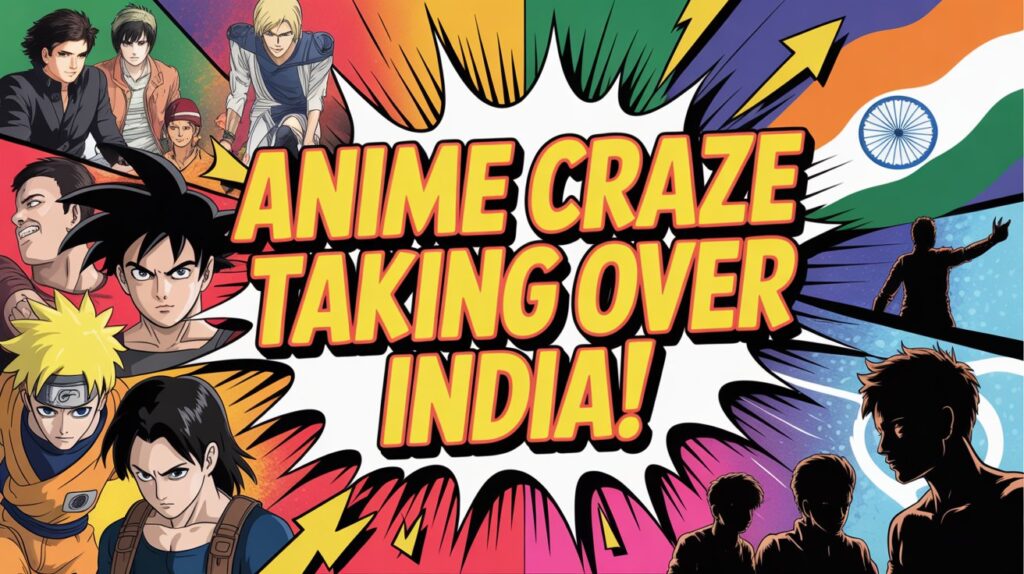
The real foundation of anime popularity in India was laid through television.
Channels like Cartoon Network, Hungama, Animax, and later Disney India played a crucial role in shaping early exposure. Shows aired during after-school hours and weekend mornings, embedding themselves into childhood routines.
Some of the earliest and most influential anime to air in India included Dragon Ball Z, Pokémon, Doraemon, Shin Chan, and Beyblade.
These shows did something rare. They created emotional attachment. Characters grew, struggled, lost, and evolved. Story arcs continued over weeks and months, unlike episodic cartoons that reset every episode.
For many Indian viewers, this was their first exposure to long-form animated storytelling.
Dragon Ball Z and the First Hardcore Fanbase
Among all early anime broadcasts, Dragon Ball Z holds a special place in Indian pop culture history.
Its intense battles, transformation arcs, and themes of perseverance resonated deeply with Indian audiences. Goku’s journey from a weak fighter to a powerful warrior mirrored classic underdog narratives familiar to Indian storytelling traditions.
Even when the show was abruptly stopped, restarted, or aired out of order due to broadcast issues, its popularity only grew. Children discussed episodes in schools, recreated fights in playgrounds, and memorized power levels without understanding Japanese culture at all.
This period created India’s first hardcore anime fans, even though the term “anime fan” was not widely used yet.
Pokémon, Doraemon, and Mass Acceptance
While Dragon Ball Z built intensity-driven fandom, Pokémon and Doraemon brought mass acceptance.
Pokémon became a cultural phenomenon. Trading cards, tazos, school debates about legendary Pokémon, and memorizing the Pokédex became common among Indian kids. Ash and Pikachu became household names.
Doraemon, on the other hand, connected deeply with everyday Indian family life. Nobita’s struggles with school, parents, and self-confidence felt relatable. Doraemon’s gadgets blended humor with emotional lessons, making it appealing to both kids and parents.
These shows normalized anime in Indian households. Parents who might have resisted foreign content accepted these series as harmless, educational, or entertaining.
Shin Chan and the Censorship Controversy
One of the most controversial chapters in anime’s Indian history revolves around Shin Chan.
Unlike other shows, Shin Chan’s humor was irreverent, sarcastic, and sometimes inappropriate by Indian children’s television standards. The Hindi dub amplified this tone, making the show wildly popular among kids and teenagers.
At the same time, it attracted criticism from parent groups and regulatory bodies. Episodes were censored, re-dubbed, and sometimes removed. Despite this, or perhaps because of it, Shin Chan gained cult status.
This phase highlighted a key tension in anime’s Indian journey. Anime was often misunderstood as children’s content, even when it was not designed for children.
Animax and the Rise of Awareness
The launch of Animax in India marked a turning point.
For the first time, Indian viewers were exposed to anime as anime, not just cartoons. Animax aired shows in Japanese with English subtitles, introducing genres like romance, slice of life, psychological thrillers, and mature drama.
Series like Death Note, Naruto, Bleach, and Fullmetal Alchemist reached Indian audiences who were ready for deeper narratives. This created a new generation of fans who actively identified as anime watchers.
Unfortunately, Animax’s reach was limited due to cable penetration and language barriers. Its eventual shutdown slowed mainstream growth, but the seed had already been planted.
The Internet Changed Everything
If television introduced anime to India, the internet made it unstoppable.
By the late 2000s and early 2010s, affordable broadband and later mobile data transformed access. Fans no longer depended on TV schedules. They searched online, discovered new series, and joined forums and social media groups.
Fansubs and streaming sites, legal and otherwise, allowed Indian viewers to watch anime simultaneously with global audiences. This created awareness of seasonal anime, studios, voice actors, and Japanese pop culture.
Anime stopped being a childhood memory and became an active hobby.
Naruto, One Piece, and Long-Term Commitment
The internet era introduced Indian audiences to long-running series like Naruto and One Piece in their full, uncensored form.
These shows demanded commitment. Hundreds of episodes, complex character arcs, and emotional payoffs that took years to unfold. Indian fans embraced this format enthusiastically.
Naruto, in particular, became a gateway anime for teenagers. Themes of loneliness, ambition, friendship, and identity struck a chord with young Indians navigating academic pressure and social expectations.
One Piece built a slower but extremely loyal fanbase, admired for its world-building and storytelling depth.
Anime Moves From Niche to Identity
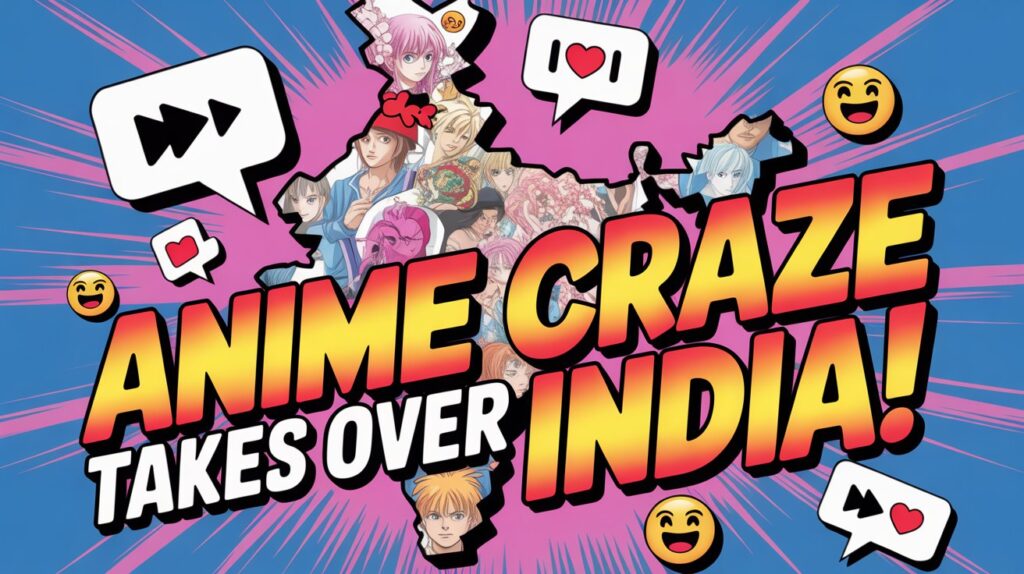
By the mid-2010s, anime fandom in India evolved into an identity.
Fans no longer just watched anime. They discussed theories, collected merchandise, created fan art, learned Japanese phrases, and followed anime news globally.
YouTube channels, Instagram pages, meme accounts, and later Discord servers emerged. Cosplay, once rare, began appearing at college fests and pop culture events.
Anime became a shared language among urban youth, especially in engineering colleges, design schools, and tech communities.
Streaming Platforms Legitimize Anime
The arrival of global streaming platforms marked another major shift.
Services like Netflix, Amazon Prime Video, and later Crunchyroll began licensing anime officially for Indian audiences. Subtitles improved. Dubbing quality rose. Release windows shortened.
Netflix’s aggressive push into anime exposed casual viewers to series like Attack on Titan, Demon Slayer, and Jujutsu Kaisen. These shows crossed fandom boundaries and entered mainstream online conversations.
For the first time, watching anime legally and conveniently became easy in India.
COVID-19 and the Anime Boom
The COVID-19 lockdown period accelerated anime’s growth dramatically.
With people confined indoors, streaming consumption surged. Many first-time viewers explored anime out of curiosity and stayed for the storytelling.
Social media amplified this boom. Clips, edits, and memes went viral. Anime opening songs trended. Indian influencers openly discussed anime without hesitation.
This period turned anime from a subculture into a mainstream entertainment choice for urban youth.
Changing Perceptions Among Parents and Society
One of the most significant shifts has been perception.
Earlier, anime was dismissed as childish or inappropriate. Today, many parents recognize that anime includes diverse genres, some suitable for children, others for adults.
Movies by Studio Ghibli, for example, are often praised for their emotional depth and artistic value. Anime is increasingly seen as storytelling, not just animation.
This acceptance has reduced stigma and allowed fans to express their interests openly.
Indian Creators and Anime Influence
Anime’s impact in India is now visible in creative industries.
Indian illustrators, animators, and writers cite anime as a major influence. Art styles inspired by Japanese animation appear in webcomics, indie games, and digital art.
Some Indian studios are experimenting with anime-inspired animation projects, blending local stories with global aesthetics.
Anime is no longer just imported culture. It is influencing domestic creativity.
Anime Conventions and Community Growth
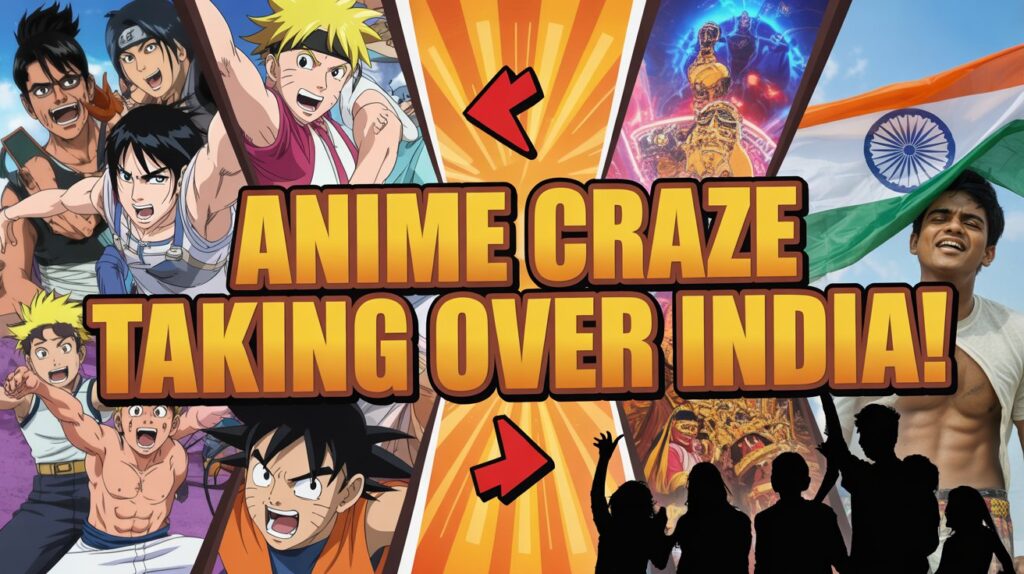
Although India still lacks large-scale anime conventions compared to Japan or the US, community-driven events are growing.
Comic cons in cities like Delhi, Mumbai, Bangalore, and Hyderabad feature anime prominently. Cosplay competitions, anime merchandise stalls, and fan meetups are common.
These events provide physical spaces for fans who previously connected only online, strengthening community bonds.
Timeline of Anime Popularity in India
| Period | Key Development |
|---|---|
| 1990s | Anime enters India as cartoons |
| Early 2000s | DBZ, Pokémon, Doraemon gain mass popularity |
| Mid 2000s | Shin Chan controversy and cult status |
| Late 2000s | Animax introduces subbed anime |
| 2010s | Internet drives fandom growth |
| Late 2010s | Streaming platforms legitimize anime |
| 2020s | Anime becomes mainstream youth culture |
Why Anime Worked in India
Anime succeeded in India because it offered something different.
It respected young audiences. It allowed characters to fail. It treated emotions seriously. It did not talk down to viewers.
In a media environment often dominated by formulaic content, anime felt honest and immersive.
India’s young population, growing internet access, and openness to global culture created the perfect environment for anime to thrive.
The Future of Anime in India
Anime’s growth in India is far from over.
Regional language dubbing is improving. Merchandising is expanding. Streaming libraries are growing. Indian creators are beginning to contribute to the ecosystem.
The next phase will likely involve deeper localization, official theatrical releases, and original collaborations.
Anime is no longer an outsider in India’s entertainment landscape.
Final Thoughts
The history of anime popularity in India is a story of gradual acceptance, cultural exchange, and generational change.
What started as accidental exposure through television evolved into a digital-first fandom and finally a mainstream cultural force.
Anime did not replace Indian storytelling. It expanded how stories are consumed and appreciated.
Today, anime in India is not just nostalgia. It is identity, community, and creative inspiration.
And for millions of fans, it is not a phase. It is a part of who they are.
Also Read: “Why Itachi Uchiha Is One of the Best Written Characters in Anime“
FAQs
When did anime first become popular in India?
Anime began gaining popularity in India in the late 1990s and early 2000s through television shows like Pokémon, Dragon Ball Z, and Doraemon, which aired on kids’ channels and became part of everyday childhood entertainment.
Why did anime grow so fast among Indian youth?
Anime grew rapidly because of its emotional storytelling, long character arcs, and relatable themes. The rise of the internet and streaming platforms made uncensored, subbed anime easily accessible, helping teenagers and young adults discover deeper genres.
Is anime now mainstream in India?
Yes, anime is largely mainstream among urban Indian youth. Streaming platforms, social media, cosplay events, and online communities have turned anime from a niche interest into a widely accepted form of entertainment and pop culture.