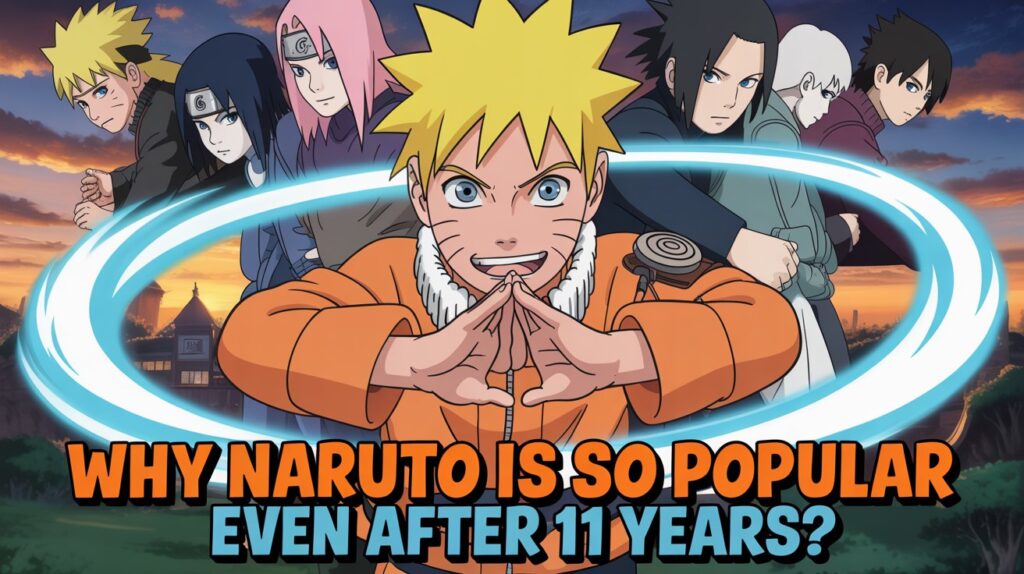

In the world of anime, few series have achieved the same level of widespread popularity as Naruto. Originally airing in 2002, Naruto took the world by storm, introducing audiences to a world filled with ninjas, powerful techniques, and unforgettable characters. After 11 years of airing, Naruto‘s final episode aired in 2017, but even now, the series continues to be a household name in the anime community. In fact, its popularity shows no signs of waning. Why is it that a series about a young, determined ninja is still so relevant over a decade later? Why Naruto is So Popular Even After 11 Years?
There are several key factors that have contributed to Naruto‘s enduring legacy, from its deep themes of friendship, personal growth, and perseverance to its incredible world-building and unforgettable cast of characters. Here’s a closer look at why Naruto has managed to remain so beloved, even years after its conclusion. Why Naruto is So Popular Even After 11 Years?
Table of Contents
1. Relatable Themes of Growth and Perseverance
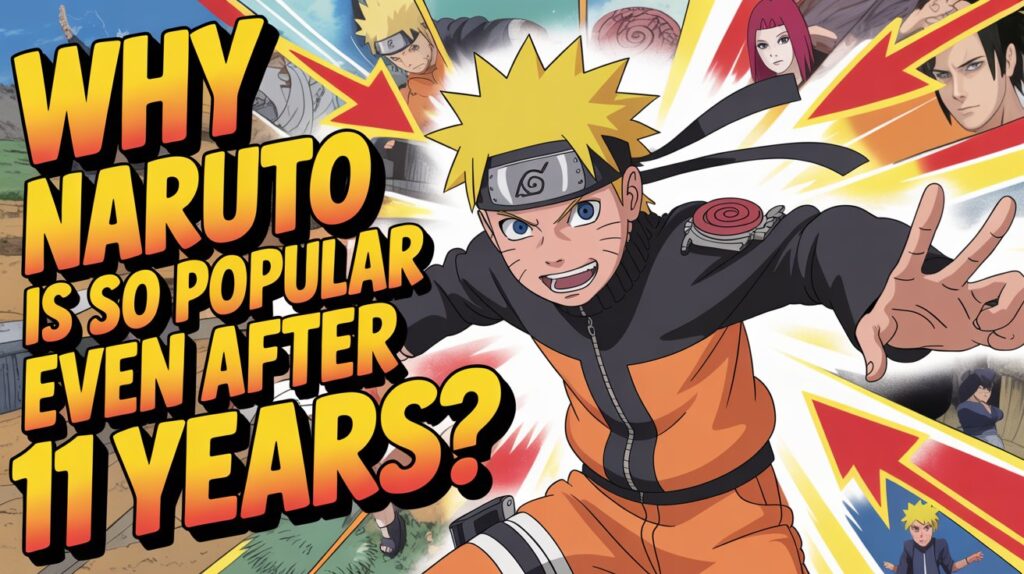
At its core, Naruto tells the story of an underdog who, despite all odds, strives to become the strongest and most respected ninja. Naruto Uzumaki begins his journey as a lonely, misunderstood child, shunned by his village due to the dangerous Nine-Tailed Fox demon sealed inside him. Yet, he possesses an unwavering belief in his potential, pushing forward with optimism, even when the world seems against him.
For many fans, this theme of perseverance in the face of adversity resonates deeply. Naruto’s journey reflects the universal struggle of growing up, facing obstacles, and learning to overcome them. Viewers see him fail, make mistakes, and struggle with feelings of loneliness and isolation, experiences that many can relate to in real life. But it is his determination to never give up, even when it feels like success is impossible, that continues to inspire people of all ages. Whether it’s dealing with school pressure, personal insecurities, or societal expectations, Naruto’s journey acts as a reminder that growth is not linear, but that with hard work and persistence, anything is possible.
2. Iconic and Complex Characters
One of the standout features of Naruto is its well-developed cast of characters. While Naruto Uzumaki may be the titular hero, the series also features a wide array of supporting characters, each with their own story, motivations, and personal growth. This rich tapestry of personalities makes the show feel more immersive and grounded in reality, as viewers can find a character they relate to.
Sasuke Uchiha, Naruto’s best friend and rival, embodies the internal conflict many face as they navigate their emotions and seek revenge or redemption. Sakura Haruno, who starts as a somewhat typical young girl in the ninja world, grows into a formidable fighter and an important leader in her own right. Kakashi Hatake, the ever-cool sensei, reveals deeper layers as his past unfolds, showing that every person has their own struggles and burdens to bear. And let’s not forget characters like Gaara, Hinata, and Rock Lee, whose individual journeys touch on themes of mental health, self-worth, and friendship.
Each character’s personal growth throughout the series provides depth and makes them feel human. In fact, many of the antagonists in Naruto aren’t just evil for the sake of being evil, they’re given backstories and motivations that make them complex and sometimes even sympathetic. This layered storytelling ensures that the show is more than just an action-packed adventure; it’s a character-driven narrative that allows viewers to connect emotionally with the people on screen.
3. Masterful World-Building and Lore
Another key aspect of Naruto‘s appeal is its intricate world-building. From the five major ninja villages to the various clans, villages, and factions that populate the world, Naruto offers an expansive and highly detailed universe that feels lived-in and real. The shinobi world is governed by its own set of rules, with a deep history of wars, political intrigue, and ancient legends. This world-building doesn’t just serve as a backdrop for the action; it is an integral part of the story.
The concept of chakra, ninjutsu, genjutsu, and taijutsu is richly explored, and each of these elements has its own set of unique abilities and strategies. The different villages and their distinct ninja techniques add a layer of complexity to the battles and storylines, keeping the narrative fresh and exciting even as the series progresses. Additionally, the “tailed beasts” and their connection to the balance of the world’s power make for some truly captivating and epic story arcs.
This world is not just a fantasy realm, but a place that feels alive with rich cultures, histories, and politics. Fans have spent years discussing the origins of various characters, clans, and jutsu, further cementing Naruto as a universe worth exploring.
4. Emotional Story Arcs and Themes of Friendship
Another major reason why Naruto has maintained its popularity is its emotional depth. The series doesn’t shy away from exploring difficult themes such as loss, sacrifice, loneliness, and the consequences of violence. The emotional arcs of the characters, especially Naruto, resonate with viewers on a deep level. Whether it’s Naruto’s painful childhood or the difficult choices faced by his friends and allies, these themes give the series its emotional weight and staying power.
A perfect example of this is Naruto’s relationship with Sasuke. Their rivalry and friendship are central to the series, and the intense emotional conflict between them is something that keeps viewers hooked for years. Similarly, Naruto’s deep desire to have meaningful relationships and to belong somewhere makes his triumphs all the more satisfying.
The bonds of friendship in Naruto are depicted with sincerity, and this resonates with audiences worldwide. Whether it’s the love and camaraderie between Naruto and his friends or the mentor-student relationships, Naruto reminds us of the power of connection and the importance of leaning on those we care about during hard times.
5. Legacy and Spin-offs: Boruto and Continued Relevance
While Naruto itself ended in 2017, the universe has lived on through its sequel series, Boruto: Naruto Next Generations. The series follows Naruto’s son, Boruto Uzumaki, as he navigates his own struggles in the modern shinobi world. Although Boruto has faced mixed reviews compared to its predecessor, it still draws attention to the Naruto franchise, introducing new generations of fans to the rich lore and characters that made the original series such a hit.
Moreover, the Naruto brand has expanded into movies, video games, merchandise, and more. The franchise’s influence can be seen in pop culture, from memes and references in other media to cosplay and fan art. These elements have helped to keep the spirit of Naruto alive, ensuring that it remains an iconic series long after its finale.
6. The Power of Nostalgia
Finally, there’s the simple fact that Naruto is a series that people grew up with. For many, it was one of the first anime they ever watched, and its themes of determination, friendship, and overcoming obstacles left a lasting impression. The nostalgia factor cannot be understated, Naruto represents an era of anime that introduced a new generation to the genre. Fans who were children when Naruto first aired are now adults, but the emotional connection to the series hasn’t faded. If anything, that connection has only deepened as they’ve experienced life and understand the themes of the series on a more profound level.
Conclusion | Why Naruto is So Popular Even After 11 Years?
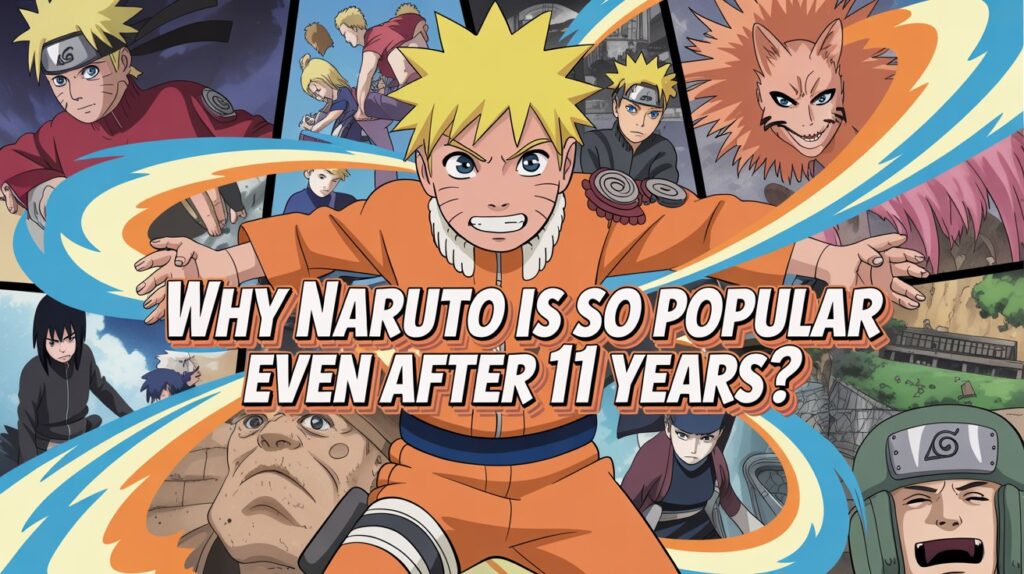
In the years following Naruto’s conclusion, it remains a cornerstone of anime culture, influencing everything from new shows to global fandoms. Its themes of perseverance, friendship, and personal growth continue to resonate with audiences around the world, while its characters and world-building remain as memorable as ever. Whether through its lasting impact on pop culture, the emotional depth of its storytelling, or the strong sense of community among fans, Naruto is much more than just a story about ninjas, it’s a series that has touched lives, inspired individuals, and shaped the anime landscape for years. And as long as people continue to find inspiration in Naruto’s never-give-up spirit, the franchise’s legacy will continue to thrive.