


In 2025, the anime world isn’t just buzzing about new releases and high-octane action: there’s a significant resurgence of classic anime. Long-cherished series from the 1980s, 1990s, and early 2000s are trending again, resurfacing on streaming platforms, getting remasters or re-releases, and capturing the imaginations of new viewers along with longtime fans. This revival isn’t a mere nostalgia wave, it reflects broader shifts in how anime is consumed, valued, and discussed. In this article, I explore the main reasons behind this comeback, what it means for fans, and highlight some of the landmark classics seeing renewed interest. Why Classic Anime Is Getting a Revival in 2025?
Table of Contents
Streaming & Digital Accessibility: Classics at Your Fingertips

One of the biggest catalysts for the renewed interest in classic anime in 2025 is their increased availability. Thanks to global streaming services investing in licensing, remastering and distributing older anime, many titles that were once obscure, poorly preserved, or hard to acquire on physical media are now accessible worldwide. In many cases, old VHS or early DVD-only rights have expired or changed hands, opening the door for these series to be re-released in high definition.
This shift has dramatically lowered the barrier for discovering or revisiting older shows. Whether you grew up watching them or heard about them through a friend, it’s now easier than ever to queue up a classic anime on your laptop or phone, and experience it in remastered quality, often with subtitles or dubs suitable for international audiences. The result: a fresh generation of anime fans discovering the roots of the medium, and longtime fans revisiting titles with new appreciation.
Aesthetic & Storytelling Contrast — Why Classic Anime Feels Unique Today
Today’s anime landscape often focuses on flashy visuals, fast pacing, and trending tropes. Against that backdrop, classic anime offer a contrasting experience: hand-drawn art, distinctive character designs, carefully composed frames, slower pacing, and more deliberate storytelling. For many, this “analog” aesthetic now holds a certain charm and authenticity that modern productions, sometimes reliant on CGI or high-speed animation cycles, can’t replicate.
Moreover, many older series prioritized character development, philosophical undertones or emotional complexity over spectacle. In 2025, with audiences increasingly craving variety beyond action-heavy mainstream anime, these storytelling styles feel refreshing and even therapeutic. As one community puts it: retro anime isn’t outdated, it’s classic art that laid the groundwork for everything that followed.
Revival Strategy: Remasters, Re-releases and Reboots
Studios and streaming platforms aren’t just dusting off old files, they’re actively restoring, remastering, and even reimagining classic anime for modern viewers. Many have undergone color correction, high-definition remastering, improved subtitles, and audio remastering to meet today’s standards.
Some franchises have also seen renewed official attention, whether in the form of reissues, special anniversary packages, or full-blown reboots. By doing so, studios tap into both the nostalgia of older fans and the curiosity of newcomers. This strategy proves that legacy anime still have commercial viability, cultural impact, and creative relevance decades after their original release.
Generational Handoff: New Fans Discover the Origins
As anime becomes more global and accessible, new generations of viewers, many of whom have only seen modern hits, are exploring older shows. Classic anime often act as a bridge between original Japanese animation’s roots and contemporary styles. For many newer fans, watching a ‘90s or early 2000s anime becomes a way to understand how current anime tropes, themes and visual languages evolved.
Meanwhile, longtime fans rewatching classics bring their nostalgia, memories, and critical eye. Online communities and social media amplify these rediscoveries: users share favorite moments, debate art styles, compare original series to modern anime, and recommend titles to each other, creating a cross-generational exchange that keeps classics alive and relevant.
Why Classic Themes Still Resonate
Beyond aesthetics and nostalgia, many classic anime tackle themes that remain relevant even today: existential questions, societal decay, identity crises, friendship, loss, hope, and resilience. These universal themes transcend time, which is one reason the older works feel as powerful, or even more powerful, when rewatched now.
Also, older anime often took time to build atmosphere, gradually develop characters, and allow for introspection, features that contrast sharply with the high-speed narrative delivery typical of modern anime. In a time when viewers face information overload, this slower, contemplative storytelling can feel like a breath of fresh air.
Classic Anime Making a Comeback in 2025: Standout Examples
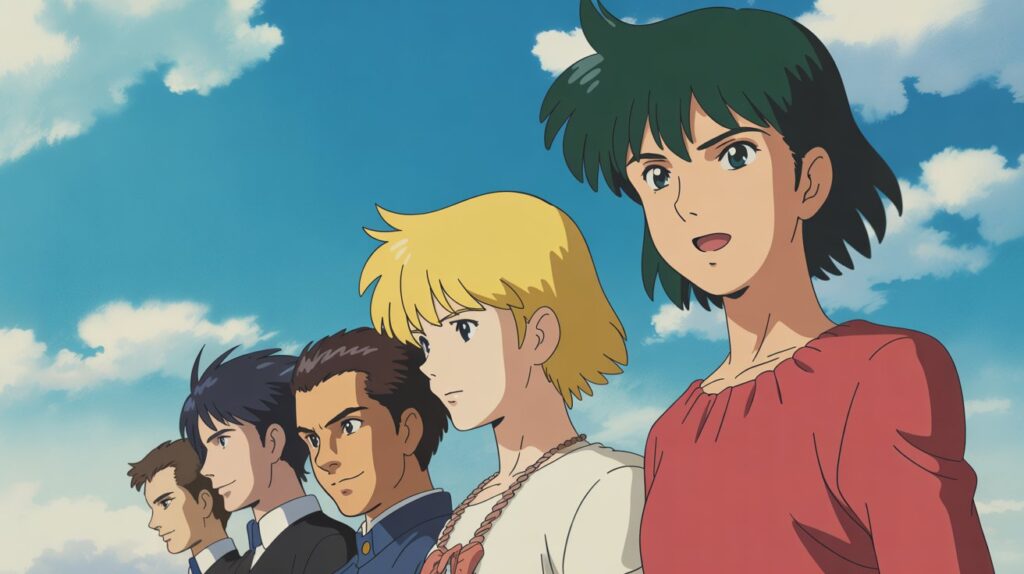
According to industry reports and fan-driven buzz, several classic anime are seeing renewed attention in 2025, either through remasters, re-releases or social media rediscovery.
While not every series is returning, those that do often become cultural touchpoints again, influencing modern creators, inspiring new art and reaching global audiences who might never have heard of them otherwise.
What This Means for the Anime Industry Going Forward
- Legacy preservation matters: The success of remastered classics shows that older anime remain valuable cultural and commercial assets. This trend may encourage more studios to invest in preservation, restoration, and re-release of vintage works.
- Diverse viewing habits: Viewers now enjoy a mix, modern hits, new seasons, and rediscovered classics. This diversity helps break genre fatigue and keeps the anime ecosystem balanced.
- Cross-generation community building: As younger fans discover classics and older fans revisit them, conversations across age groups help enrich anime fandom. This cross-generational exchange strengthens the global anime community.
- Creative inspiration: Revival of vintage anime can inspire new creators to explore older storytelling techniques, aesthetic choices, and narrative pacing, potentially influencing a new wave of hybrid styles blending retro and modern.
Tips for Viewers Wanting to Explore Classic Anime
If you’re curious to dive into the classic anime revival of 2025, here are some suggestions:
- Look for remastered versions: Try to find HD remasters or releases with improved subtitles/audio for better viewing experience.
- Approach with patience: Older anime often move at a slower pace; allow yourself time to absorb character development and atmosphere.
- Mix old & new: Balance your watchlist with classic anime and modern titles so you appreciate the evolution of the medium.
- Engage with community: Read fan discussions or retrospective articles, they help contextualize older works and highlight their influence on recent anime.
- Pay attention to themes: Many classics explore timeless human themes. Watching them with modern perspective can reveal deeper layers.
Final Thoughts
The revival of classic anime in 2025 is more than just a nostalgia-driven trend. It’s a celebration of the art form’s roots, a recognition that early works laid the foundation for the modern anime we know and love. As restored classics reach broader audiences worldwide, they remind us that anime’s beauty isn’t only in flashy visuals or high-speed action. Sometimes it lies in thoughtful storytelling, soulful artistry, and the patient unfolding of character and emotion.
For fans old and new, this renaissance offers a unique opportunity: to rediscover the origins of anime, appreciate its evolution, and understand how far the medium has come, while still enjoying stories that feel timeless and relevant.